
Dental Microscope
Showing all 2 results
-
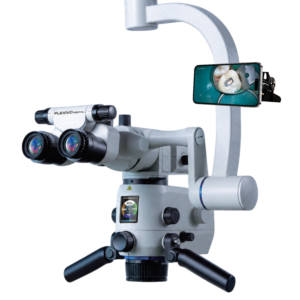
Flexivo EndoZoom Dental Microscope
Original price was: $18,900.00.$16,900.00Current price is: $16,900.00. Buy Now This product has multiple variants. The options may be chosen on the product pageFlexivo EndoZoom Dental Microscope is a next-generation dental microscope specifically engineered for advanced endodontics, microsurgery, and digital dentistry. Combining premium APO optics, motorized continuous zoom, integrated 4K imaging, fluorescence technology, intelligent ergonomics, and direct smartphone recording with synchronized 4K video and audio, EndoZoom delivers exceptional clinical visualization, enhanced treatment precision, professional documentation, and greater workflow efficiency for today’s clinicians.
-

AcuVision-X Microscope
Original price was: $15,200.00.$13,200.00Current price is: $13,200.00. Buy NowA dental operating microscope with apochromatic optics, 6-step magnification, multi-mode LED illumination with filters, an ergonomic adjustable stand, and built-in 1080p/4K imaging with optional camera/smartphone adapters.
A dental microscope extends what the clinician can verify under direct vision, from access refinement to root-end preparation. At Flexivo Dental, our dental operating microscope for endodontics, apical microsurgery and clinical documentation is the Flexivo EndoZoom, combining apochromatic optics, high-intensity LED illumination and integrated 4K imaging.
Flexivo EndoZoom
Flexivo EndoZoom is available as the 625 and 626. Both share one optical platform, while the 626 adds fluorescence imaging and advanced positioning. The EndoStream extension is offered as an optional add-on.
Why Endodontists Use a Dental Microscope
Magnification and directed illumination support coronal access refinement and orifice location. The MB2 canal of maxillary molars often lies beneath a dentin shelf or calcification, and color and texture differences on the chamber floor guide the search for calcified canals. Isthmuses also become easier to identify and debride.
In retreatment, the operator removes obturation material under direct vision, bypasses ledges and evaluates perforations. Separated instrument removal depends on a clear view of the fragment’s coronal end before ultrasonic troughing. Perforation repair and MTA placement become more predictable when the defect margins are visible, and tracing crack lines informs diagnosis and prognosis.
In apical microsurgery, a dental surgical microscope supports each stage: inspecting the resected root surface for isthmuses, missed canals and cracks, preparing the root end with ultrasonic tips along the canal anatomy, and verifying the retrograde filling. Throughout, a dental microscope with camera documents findings for referrals, case acceptance and records.
How to Choose a Dental Operating Microscope
- Optics: apochromatic correction reduces chromatic aberration, preserving contrast and color fidelity at higher magnification.
- Magnification control: continuous zoom changes magnification without fixed steps or interrupting the procedure, while step changers offer repeatable presets.
- Illumination: bright, shadow-free LED light keeps detail usable deep in the canal. An adjustable iris balances depth of field against brightness, and an orange filter delays premature curing of light-activated composite.
- Working distance: a variable focus objective adapts the microscope to the operator’s posture and patient position.
- Documentation: an integrated camera avoids external adapters and makes image capture routine.
- Ergonomics and mounting: an inclinable binocular tube and a well-balanced arm help maintain a neutral posture during long procedures. Ceiling and wall mounts keep the floor clear, whereas a mobile floor stand can move between operatories.
- Support: confirm installation, training and service before purchase.
Frequently Asked Questions
What is a dental operating microscope?
A stereoscopic microscope for chairside use that integrates variable magnification, high-intensity illumination and, often, imaging, so the clinician works under magnified direct vision.
What magnification does an endodontic microscope need?
A range rather than a single setting. Lower magnification suits orientation and access, while higher magnification supports orifice location and crack detection.
Dental microscope vs loupes: what is the difference?
Loupes typically provide fixed magnification with a headlight. A microscope adds variable magnification, integrated illumination, adjustable depth of field and documentation. Many endodontists use loupes for general tasks and the microscope for canal work.
Can I record video with the microscope?
Yes. All of our microscopes can record high-quality 4K video directly to a flash drive using the built-in recording system. The EndoStream extension is only needed if you want to record synchronized video and audio directly on your smartphone.
What is the dental microscope price?
Pricing depends on the configuration, including model, imaging, mounting and accessories. For a current quotation, please contact Flexivo Dental.
